The Spaghetti Western's Influence on Modern Cinema
From Tarantino to Star Wars: How the Italian West conquered the world
The Spaghetti Western genre effectively ended by the late 1970s, casualties of changing audience tastes, oversaturation, and the rise of new genres. But while Italian studios stopped making Westerns, the films themselves never stopped influencing the people who watched them. Directors, composers, game designers, and showrunners who grew up on Leone and Morricone have spent the past four decades embedding the DNA of the Spaghetti Western into every corner of popular culture.
The influence is so pervasive that modern audiences encounter Spaghetti Western tropes constantly without recognizing their origin. The Mexican standoff, the morally ambiguous anti-hero, the use of music as a narrative device, and the long, tension-building silence before an explosion of violence are all conventions that the Italian Western either invented or perfected.
Quentin Tarantino: The Most Devoted Student
No modern filmmaker has drawn more openly from the Spaghetti Western than Quentin Tarantino. His relationship with the genre goes beyond homage into something closer to creative conversation. Tarantino does not simply reference Italian Westerns; he engages with their themes, structures, and moral questions in his own work.
Django Unchained (2012) is the most explicit example. The title character, played by Jamie Foxx, shares his name with Franco Nero's iconic gunfighter from the 1966 original, and Nero himself appears in a cameo. But Tarantino is not remaking Django; he is transplanting the Spaghetti Western's moral framework into the context of American slavery. The result is a revenge fantasy that uses the genre's tradition of righteous violence against impossible odds to address one of history's greatest injustices.
Earlier films show an equally deep engagement. The Mexican standoff structure appears in Reservoir Dogs (1992), where multiple armed men point guns at each other in a tense circular confrontation directly inspired by the climax of The Good, the Bad and the Ugly. Kill Bill (2003-2004) borrows the Spaghetti Western's approach to revenge narratives, operatic violence, and Morricone-influenced scoring. Inglourious Basterds (2009) uses Leone's techniques of drawn-out tension in its opening farmhouse sequence, widely regarded as one of the most suspenseful scenes in modern cinema.
George Lucas and the Galaxy Far, Far Away
The influence of the Spaghetti Western on Star Wars (1977) is well-documented by Lucas himself. The cantina scene on Tatooine, where Han Solo shoots first (or simultaneously, depending on the edit) in a tense confrontation with the bounty hunter Greedo, is a direct recreation of a Spaghetti Western saloon showdown. Tatooine itself, a desert planet ruled by gangsters and populated by bounty hunters, is essentially an Italian Western frontier town transplanted to outer space.
The character of Boba Fett, introduced in The Empire Strikes Back (1980), is modeled explicitly on the "Man With No Name" archetype: a silent, armored bounty hunter with no visible loyalty and minimal dialogue. The later series The Mandalorian (2019-present) built an entire show around this concept, combining Spaghetti Western storytelling structures with science fiction aesthetics. Individual episodes recreate classic Western scenarios, from the lone gunman defending a village to the bounty hunter collecting marks across a lawless frontier.
John Woo and the Hong Kong Connection
Perhaps the most unexpected legacy of the Spaghetti Western lies in Hong Kong action cinema. Director John Woo has repeatedly cited Leone as his primary cinematic influence, and the connection is visible in virtually every film he made during his Hong Kong period. The Killer (1989) and Hard Boiled (1992) are essentially Spaghetti Westerns relocated to modern Hong Kong, with guns replacing revolvers but the same underlying structure: lone anti-heroes, elaborate standoffs, stylized violence, and a fascination with codes of honor among violent men.
Woo took Leone's technique of the Mexican standoff, the triangular confrontation where multiple armed opponents face each other in a frozen moment of potential death, and turned it into the defining visual signature of Hong Kong action cinema. From there, it spread to Hollywood through Woo's American films and the work of directors influenced by him, creating a direct line from the deserts of Almeria to the action blockbusters of the 2000s.
Television: Breaking Bad and Beyond
The Spaghetti Western's influence on television has been particularly strong in the era of prestige drama. Breaking Bad creator Vince Gilligan has spoken extensively about the show's debt to the genre. The New Mexico setting, the morally compromised protagonist, the long sequences of tension building toward violent release, and the show's visual emphasis on vast landscapes and extreme facial close-ups all trace directly to Leone's filmmaking vocabulary.
The final season episode "Ozymandias," often cited as the greatest episode of television ever produced, is structured like a Spaghetti Western climax: a long, agonizing buildup followed by a catastrophic explosion of consequence. Even the show's color palette, dominated by desert yellows, browns, and the occasional splash of blood red, echoes the visual world of the Italian Western.
Video Games: Red Dead Redemption
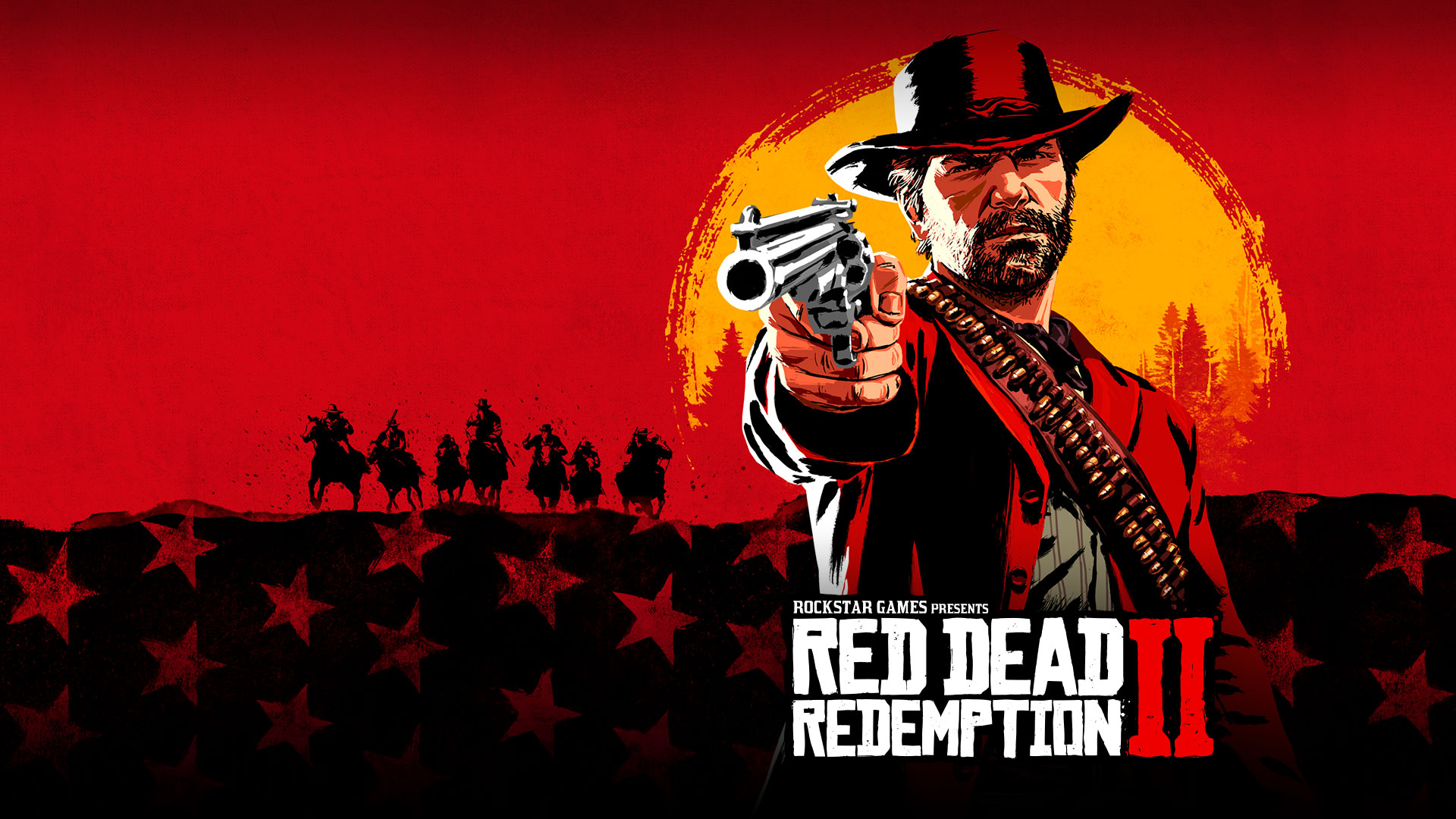
Rockstar Games' Red Dead Redemption series (2010, 2018) represents perhaps the most complete modern absorption of the Spaghetti Western aesthetic. The games are not simply set in the Old West; they are specifically designed to evoke the feeling of an Italian Western. The moral ambiguity of the protagonist, the vast and hostile landscape, the emphasis on duels and standoffs, and the pervasive sense that civilization is a thin veneer over savagery all come directly from Leone and Corbucci.
Red Dead Redemption 2 (2018) goes further, incorporating Morricone-influenced scoring, extreme close-up camera angles during confrontations, and a narrative structure that mirrors the Spaghetti Western's characteristic blend of dark humor and sudden, brutal violence. The game's critical and commercial success demonstrates that the vocabulary of the Spaghetti Western remains immediately recognizable and deeply appealing to modern audiences, even those who may never have seen the original films.
A Living Legacy
The Spaghetti Western was, by design, a genre that thrived on reinvention. Italian filmmakers took American stories and told them differently. It is fitting, then, that modern creators continue to take the Italian version and reinvent it for their own purposes. From Tarantino's revenge epics to the digital deserts of Red Dead Redemption, the influence of Leone, Morricone, Corbucci, and their contemporaries is woven into the fabric of contemporary storytelling.
About the Author: Enzo Di Lucca
Enzo Di Lucca is a cinema historian and archivist specializing in European genre films. He has spent over two decades researching the lost negatives of the Italian West and has interviewed numerous stuntmen, composers, and directors from the era.