The Sonic Revolution: Ennio Morricone and the Sound of the Italian West
How a mixture of whistles, electric guitars, and operatic vocals changed cinema forever.
The End of the Traditional Score
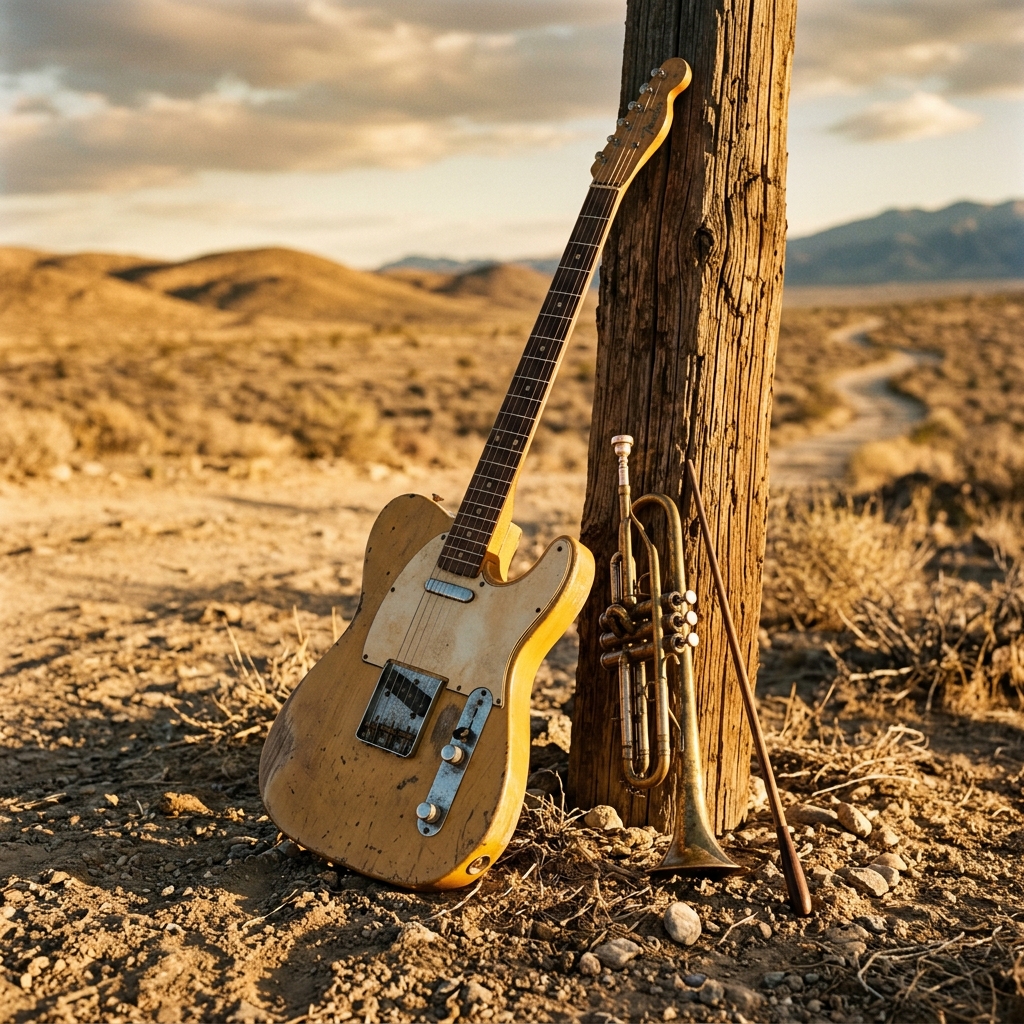
Before 1964, the sound of the Western was defined by the sweeping, orchestral romanticism of Hollywood giants like Tiomkin and Bernstein. But when Sergio Leone needed a score for A Fistful of Dollars, he turned to a former classmate who would dismantle every convention of the genre.
Ennio Morricone didn't just write music; he created soundscapes. By incorporating "non-musical" elements—the crack of a whip, the chirp of a cricket, the anvil-strike of a hammer—he brought the visceral reality of the desert into the movie theater.
The electric guitar, previously relegated to rock and roll, became the voice of the anti-hero. Distorted, lonely, and piercing, it signaled a departure from the heroic fanfares of the past toward something more cynical and modern.
The Voice as an Instrument
Perhaps Morricone's most haunting innovation was his use of the human voice. Instead of traditional choral arrangements, he used operatic sopranos like Edda Dell'Orso to provide wordless, ethereal melodies that felt both ancient and alien.
The famous "whistle" in the Dollars Trilogy, performed by Alessandro Alessandroni, became a shorthand for danger. It was no longer just a tune; it was a character in itself, lurking in the shadows of the widescreen frame.
The Ecstasy of Gold and the Operatic Climax
As the collaboration between Leone and Morricone deepened, the music became more than just a background score; it became a character in its own right. In The Good, the Bad and the Ugly, the track "The Ecstasy of Gold" elevates Tuco's frantic search for the gold in Sad Hill Cemetery to a quasi-religious, operatic experience. The soprano vocals of Edda Dell'Orso soar above a driving orchestral crescendo, capturing the madness, greed, and epic scale of the search.
Morricone famously composed the scores before filming even began, allowing Leone to play the music on set. This permitted actors like Clint Eastwood and Lee Van Cleef to time their movements, paces, and stares to the rhythm of the music. The music dictated the pacing, the editing, and the emotional resonance of the entire film.
About the Author: Spaghetti Cinema Research Team
Specializing in the intersection of musicology and 1960s European cinema.