Snow, Silence, and Sadism: The Winter Westerns of Sergio Corbucci
Analyzing the bleak, frozen landscapes of The Great Silence and The Specialists.
The Death of the Sun
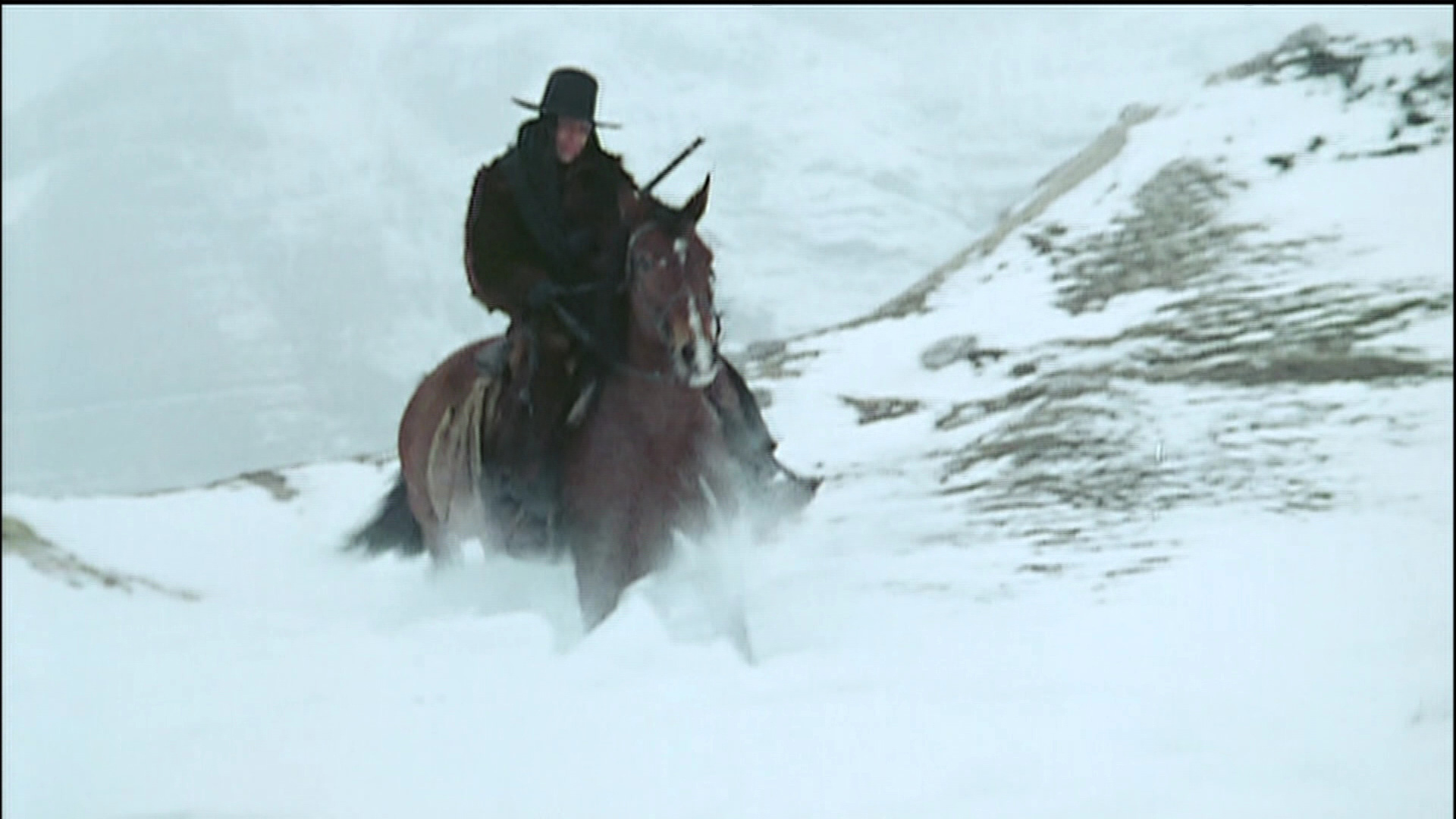
While most Spaghetti Westerns thrived in the heat of Almería, Sergio Corbucci looked to the cold. In his 1968 masterpiece The Great Silence (Il Grande Silenzio), the desert is replaced by the suffocating, waist-deep snow of the Utah mountains (actually filmed in the Italian Dolomites).
This shift in environment was more than aesthetic. In the snow, the anti-hero is slow, vulnerable, and constantly battling the elements. The bright, blinding white of the landscape contrasts with the pitch-black morality of the bounty hunters who haunt it.
Corbucci used the silence of the winter to heighten the violence. Every gunshot in The Great Silence feels like a violation of the stillness, a jagged rip in the frozen air.
Nihilism on Ice
The "Winter Western" allowed Corbucci to push the genre's inherent nihilism to its breaking point. In these films, there is no hope, no redemption, and often, no survival. The environment itself is a predator, claiming the weak and the strong alike.
By stripping away the romanticism of the frontier and replacing it with a cold, indifferent wilderness, Corbucci created a sub-genre that remains some of the most challenging and visually striking cinema of the 1960s.
A Legacy of Bleak Masterpieces
Corbucci’s winter trilogy culminated in The Great Silence, but the themes of environmental cruelty and isolation were also explored in his other works. In The Specialists (Gli specialisti), he presented a highly stylized, bleak vision of the West where townspeople are depicted as corrupt and vicious. The snowy backdrop served as a visual metaphor for the coldness of human nature, a theme that Corbucci returned to time and again.
The influence of Corbucci's frozen landscapes can be seen in modern cinematic milestones, most notably in Quentin Tarantino’s *The Hateful Eight*. Tarantino directly copied the atmospheric dread, the stagecoach traveling through waist-deep snow, and the absolute lack of moral heroes from Corbucci's winter masterpiece, cementing Corbucci's status as a visionary director of the harsh frontier.
About the Author: Spaghetti Cinema Research Team
Focused on the political and stylistic subversions of Italian genre cinema.