Sergio Corbucci: The Second Sergio
The architect of mud, blood, and the bleakest endings in the West.
The Anti-Leone
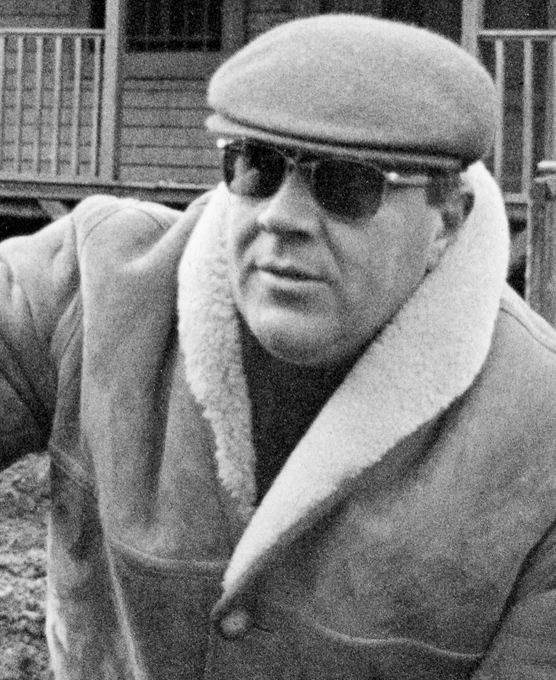
If Sergio Leone was the poet of the Spaghetti Western, Sergio Corbucci was its punk rocker. While Leone's films were meticulous, grand, and almost operatic in their pacing, Corbucci's films were fast, dirty, and incredibly cruel. He is often referred to as the "Second Sergio," but his influence on the genre is arguably just as profound.
Corbucci had no interest in the romanticized myths of the West. His landscapes were not the sun-drenched, mythic vistas of Monument Valley; they were mud-soaked towns, freezing snowscapes, and desolate swamps. His heroes were not cool, calculating tacticians, but desperate, traumatized men.
Masterpieces of Cruelty
Corbucci's breakout hit, Django (1966), established his signature style: high body counts, grotesque violence, and a deeply cynical worldview. But it was The Great Silence (1968) that cemented his legacy. Set entirely in a snowbound Utah (filmed in the Dolomites), the film features a mute protagonist and one of the bleakest, most shocking endings in the history of cinema.
He was also a master of the politically charged Zapata Western, directing classics like The Mercenary and Compañeros, where he blended his trademark violence with biting social commentary and dark humor.
Tarantino's Idol
Corbucci's reputation suffered during his lifetime, as critics often dismissed him as a mere hack churning out B-movies. However, modern re-evaluations, heavily championed by directors like Quentin Tarantino, have recognized his genius.
Tarantino's Django Unchained is a direct love letter to Corbucci, and his film Once Upon a Time in Hollywood explicitly references Corbucci as the "second best director of Spaghetti Westerns." Today, Corbucci is rightly remembered as a visionary of cinematic violence.
Politics and Black Humor
Underneath the extreme violence, Corbucci's films were deeply political. As an avowed leftist, his stories frequently featured oppressed peasants rising against wealthy landowners and imperialist armies. The greed of the elite was always contrasted with the raw survival instincts of the poor, showing a world where capitalism and corruption go hand in hand.
Despite the dark themes, Corbucci also had a unique sense of humor. He would offset the bleakest moments of cruelty with absurd slapstick or dark, ironic comedy. This bizarre combination of grim violence and lighthearted absurdity became a hallmark of his middle-career works, influencing the future direction of the genre.
About the Author: Enzo Di Lucca
Enzo Di Lucca is a cinema historian and archivist specializing in European genre films. He has spent over two decades researching the lost negatives of the Italian West and has interviewed numerous stuntmen, composers, and directors from the era.