The Forgotten Directors: Beyond Leone and Corbucci
Celebrating the unsung filmmakers who helped build the Italian West.
Beyond the Three Sergios
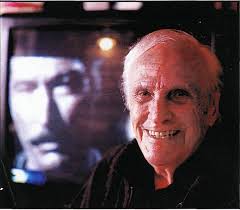
While Sergio Leone, Sergio Corbucci, and Sergio Sollima are rightfully hailed as the holy trinity of the Spaghetti Western, they were responsible for less than 5% of the total output of the genre. Hundreds of other directors toiled in the deserts of Almeria and the soundstages of Rome, and many of them produced works of genuine brilliance that have been unfairly overshadowed.
These forgotten directors often worked with smaller budgets and tighter schedules, forcing them to rely on pure stylistic invention and radical narratives to stand out in a crowded market.
Giulio Petroni and Tonino Valerii
Giulio Petroni directed Death Rides a Horse (1967), a masterful revenge saga starring Lee Van Cleef and John Phillip Law. Petroni brought a sense of Greek tragedy to the genre, focusing on the psychological toll of vengeance. The film's structure and score were highly influential on Quentin Tarantino's Kill Bill.
Tonino Valerii, a former assistant to Sergio Leone, directed Day of Anger (1967) and My Name Is Nobody (1973). Valerii was a master of the mentor-student dynamic, often pitting an aging gunfighter against a young, ambitious upstart. His films combined the epic sweep of Leone with a more traditional narrative structure.
The Cult of Castellari
Enzo G. Castellari arrived late to the genre, but he brought a kinetic, hyper-stylized approach to action that was entirely his own. His masterpiece, Keoma (1976), is a gothic, slow-motion ballet of violence that served as a beautiful, melancholic eulogy for the dying genre.
By exploring the works of these directors, fans can discover that the Italian West was a vast, diverse frontier filled with hundreds of unique cinematic voices.
About the Author: Spaghetti Cinema Research Team
Specializing in the intersection of musicology and 1960s European cinema.