Klaus Kinski: Madness and Genius in the Italian West
Exploring the explosive legacy of Spaghetti Westerns' most unpredictable star
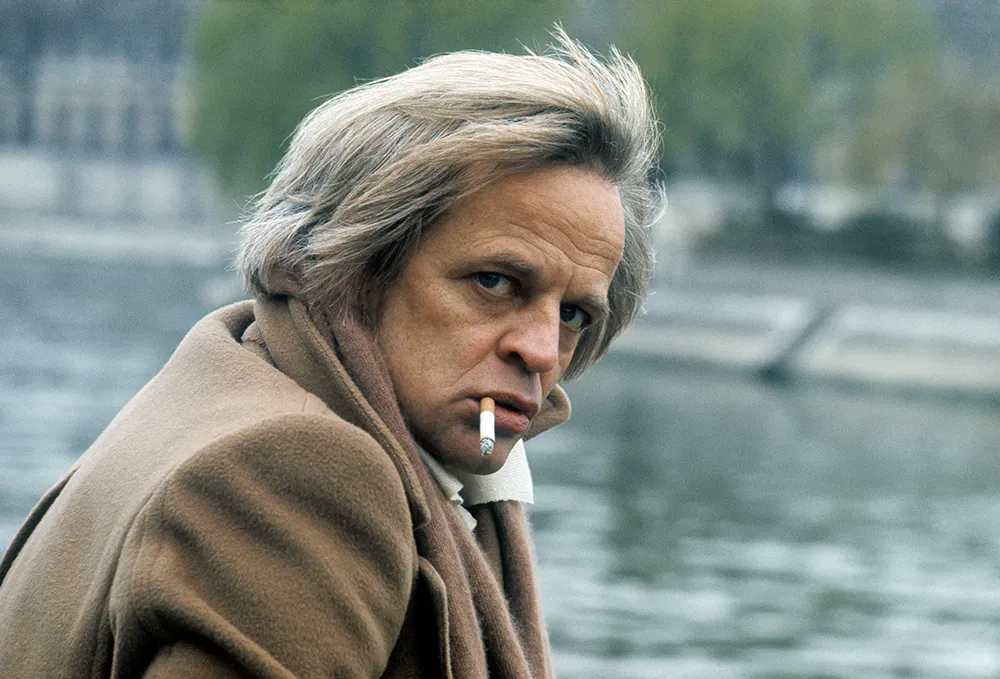
When Sergio Leone cast Klaus Kinski as the hunchbacked villain in For a Few Dollars More, he introduced the Spaghetti Western to a force of nature. Kinski was not a traditional actor; he was an explosion waiting to happen. His explosive temper and unpredictable behavior on set were legendary, but on screen, that same volatility translated into a mesmerizing, dangerous charisma.
Throughout the late 1960s and early 1970s, Kinski became the go-to actor for directors who needed a villain who was truly terrifying. Unlike the cool, calculating villains played by Lee Van Cleef, Kinski's characters were often driven by madness, sadism, or religious zealotry. He didn't just act; he consumed the scenery around him.
The Great Silence: A Masterpiece of Cruelty
Kinski's defining role in the genre came in Sergio Corbucci's bleak masterpiece, The Great Silence (1968). Playing Loco, a ruthless bounty hunter who massacres outlaws hiding in the snowy mountains of Utah, Kinski delivered a performance that was chilling in its calm brutality.
Loco is not a cackling madman; he is a bureaucrat of death. He kills because it is legal and profitable. In a genre filled with morally gray characters, Loco stands out as a figure of pure, unapologetic evil. The film's devastating conclusion, in which Loco emerges victorious, remains one of the most shocking endings in cinema history, entirely earned by Kinski's terrifying presence.
A Legacy of Intensity
While Kinski is best known today for his later collaborations with Werner Herzog, his work in the Italian West laid the foundation for his legend. He appeared in dozens of Spaghetti Westerns, often in small but unforgettable roles, elevating otherwise mediocre films with his sheer intensity.
Klaus Kinski was a difficult man and a controversial figure, but his contribution to the Spaghetti Western is undeniable. He brought a level of psychological terror to the genre that no other actor could match, proving that in the lawless West, the most dangerous thing of all is a man with nothing to lose.
About the Author: Enzo Di Lucca
Enzo Di Lucca is a cinema historian and archivist specializing in European genre films. He has spent over two decades researching the lost negatives of the Italian West and has interviewed numerous stuntmen, composers, and directors from the era.